Restore, Refinish,
Preserve.
Detailed guidance on reading furniture periods, stripping old finishes safely, and tracking down quality restoration supplies from Canadian suppliers.
Featured Articles
Techniques & Knowledge

Identifying Antique Furniture Styles: Periods, Makers, and Regional Variations
How to read construction details, joinery, and decorative motifs to determine a piece's period and provenance — from Chippendale to Arts & Crafts.

Stripping and Refinishing Wood Furniture: A Step-by-Step Guide
Choosing the right stripping method, preparing bare wood, and applying durable finishes — shellac, oil, or polyurethane — matched to the piece's age.
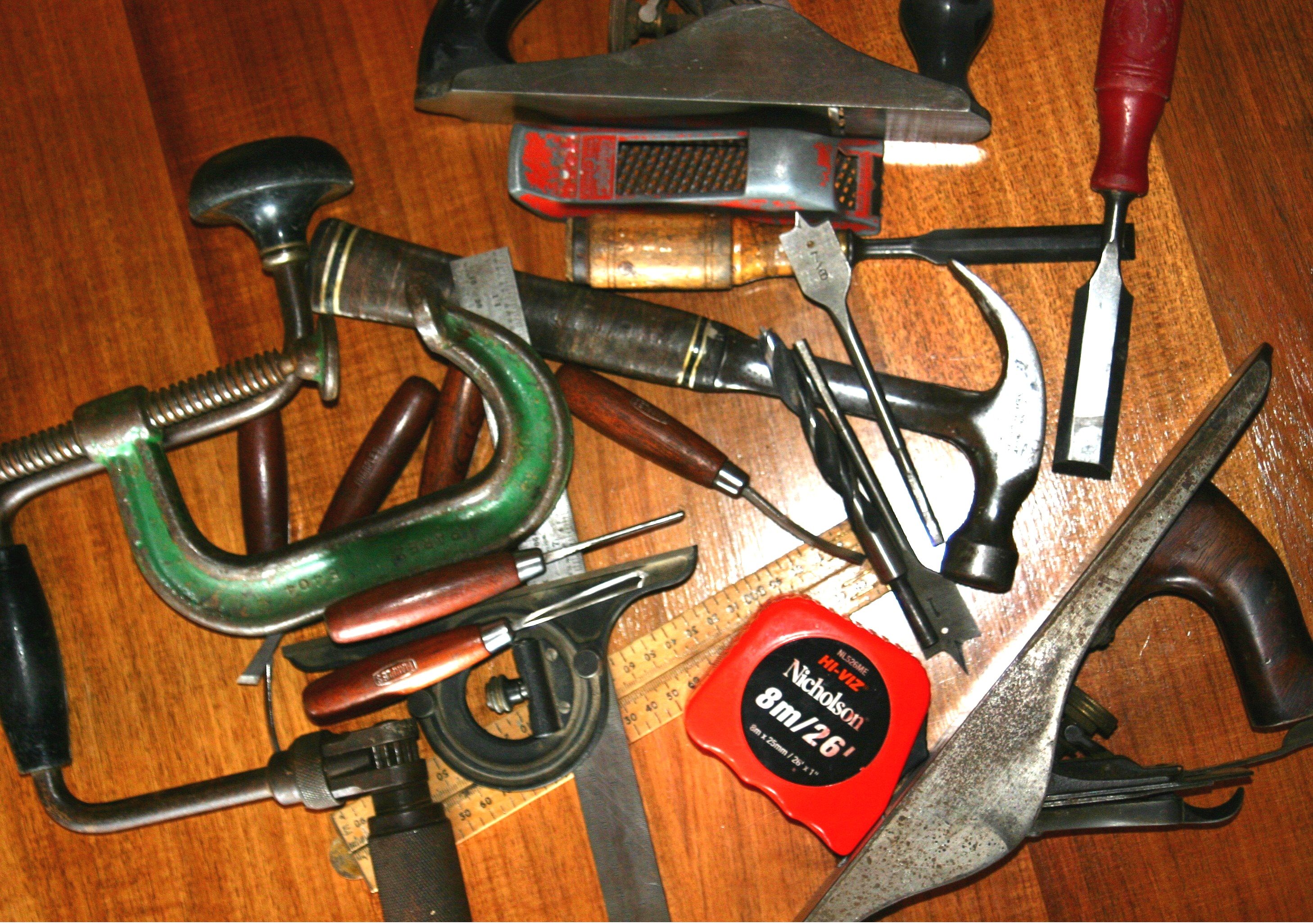
Sourcing Restoration Materials Responsibly in Canada
Where to find period-appropriate hardware, reclaimed timber, and low-VOC finishes through Canadian suppliers, salvage yards, and trade networks.
Why restoration matters
Furniture Worth Keeping
Construction Quality
Pre-1940s furniture was typically built with old-growth hardwood and hand-cut dovetails. The wood density and joint precision found in older pieces are rarely matched by contemporary production.
Period Authenticity
Original hardware, secondary woods, and finish layers carry the record of a piece's life. Thoughtful restoration preserves these details rather than erasing them.
Material Responsibility
Keeping existing furniture in circulation avoids the resource cost of new production. Canadian salvage networks and heritage restoration programs support this directly.
Contact
Questions about a specific technique or piece? Use the form to send an inquiry. Responses are typically sent within two business days.
Email: info@elmmarkethouse.org
Location: Toronto, Ontario, Canada